Everything You Need to Know About Stormwater Management
TL;DR: Stormwater management helps control rainwater and snowmelt runoff to reduce flooding, erosion, pollution, and pressure on drainage infrastructure. This guide explains how stormwater management works, why it matters, and which solutions can help property owners manage runoff more effectively.
- Understand the basics: Learn how stormwater management captures, redirects, stores, filters, or absorbs runoff from developed surfaces.
- Protect properties and waterways: Proper management can reduce flooding and erosion while helping prevent pollutants from reaching local water sources.
- Explore common solutions: Discover options including detention and retention basins, permeable pavement, rain gardens, bioswales, green roofs, and underground storage.
- Choose a site-specific strategy: Consider rainfall, soil, drainage patterns, regulations, maintenance needs, and property conditions.
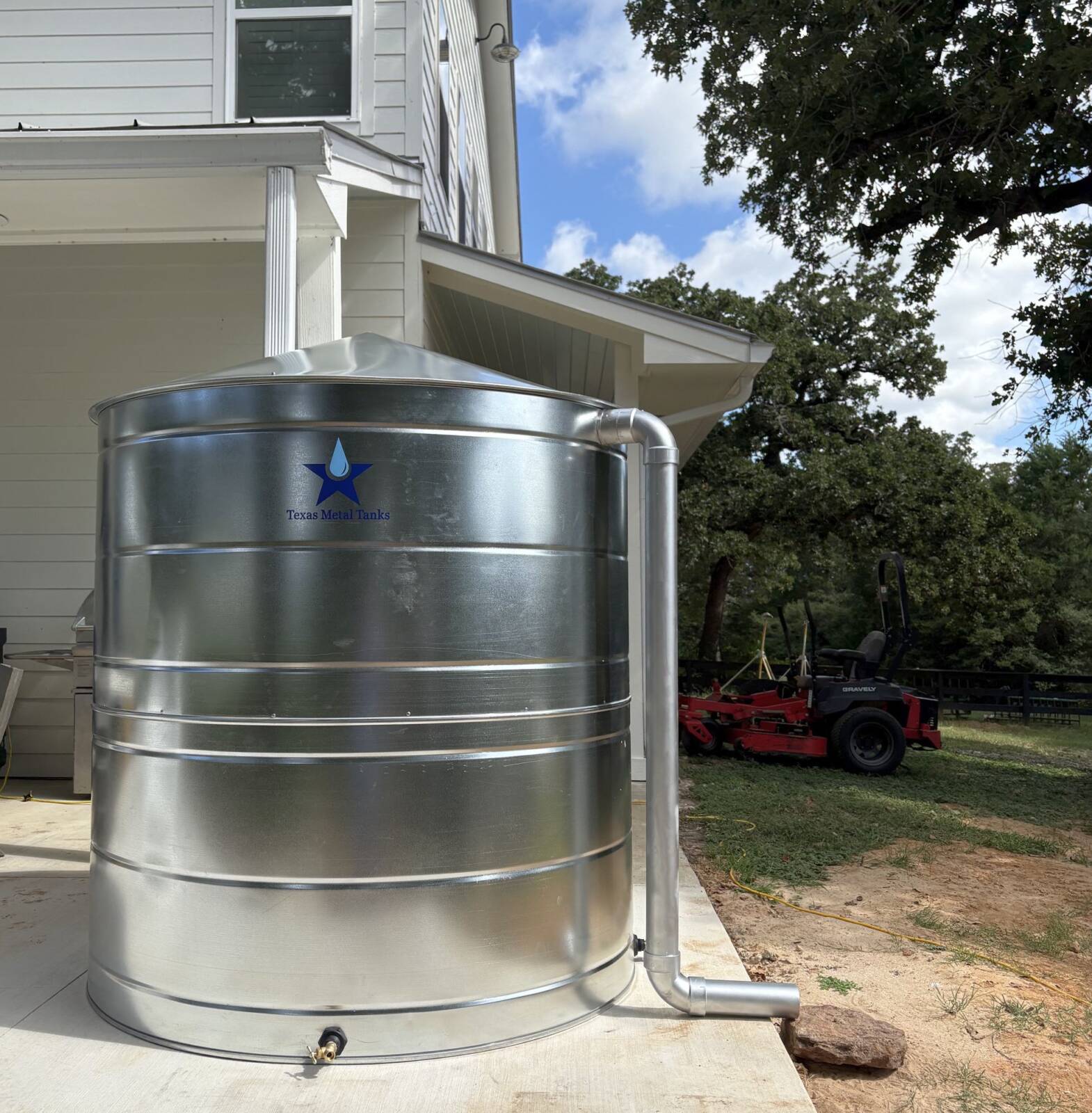
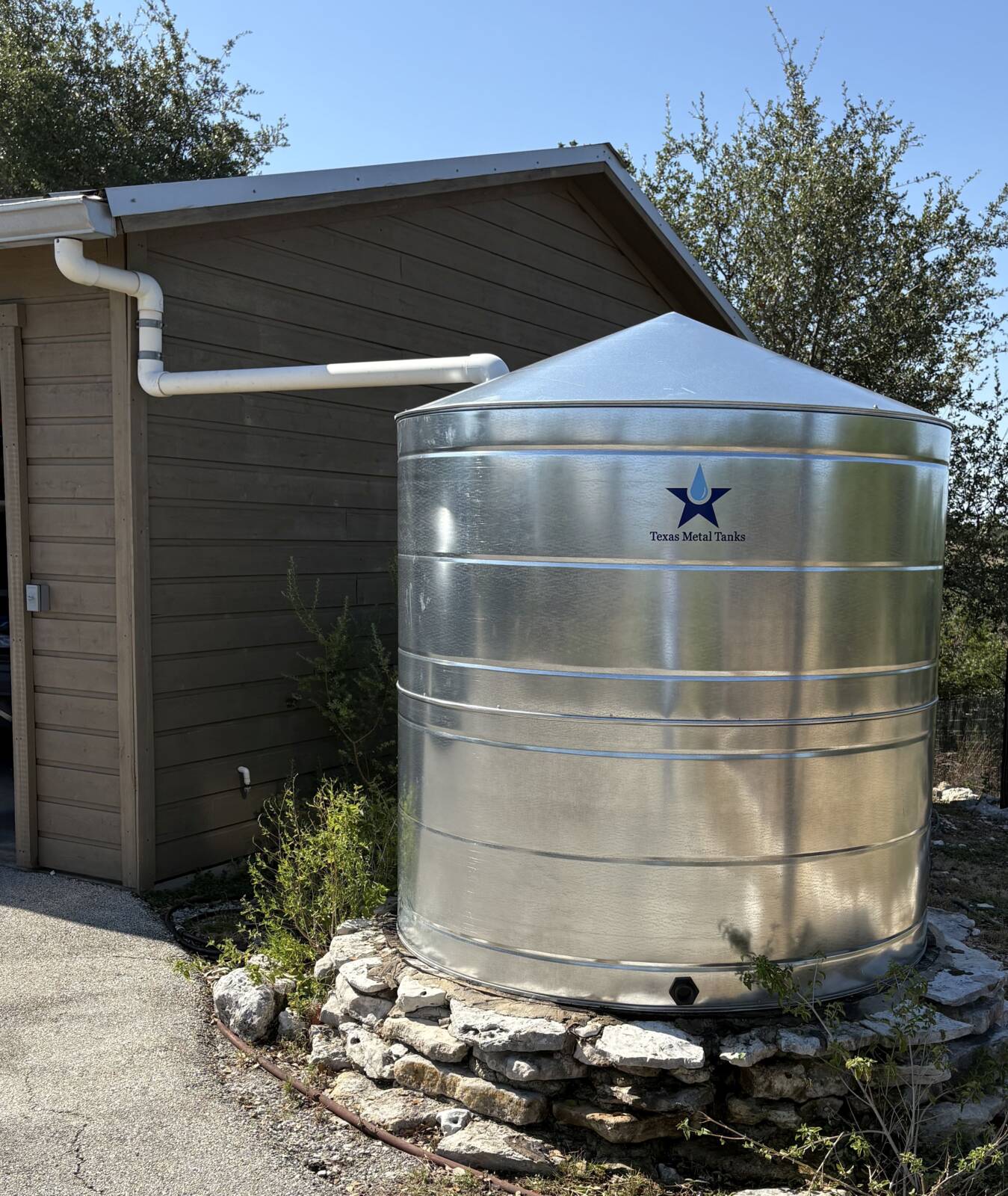
- Consider rainwater collection: Rainwater tanks can capture rooftop runoff for storage and future use while supporting a broader stormwater strategy.
When heavy rain hits, all that water has to go somewhere. In natural landscapes, much of it soaks into the ground or is absorbed by vegetation. But in developed areas, impervious surfaces such as roads, parking lots, sidewalks, and rooftops prevent water from infiltrating the soil, creating runoff that can quickly overwhelm drainage systems.
That’s where stormwater management comes in. Effective stormwater management helps control the volume and flow of runoff while reducing flooding, erosion, and the amount of pollutants entering nearby waterways. It plays an important role in protecting properties, infrastructure, communities, and the surrounding environment.
There’s no single approach that works for every property or project. Today, a wide range of stormwater management solutions can be used to capture, store, filter, infiltrate, or redirect runoff—from traditional drainage infrastructure to green infrastructure and other sustainable practices.
In this guide, we’ll cover the fundamentals of stormwater management, why it matters, how it works, and some of the most common solutions available to help manage runoff effectively.
What Is Stormwater Management?
So, what is stormwater management? Simply put, it’s the process of controlling and managing rainwater and melted snow as it flows across developed surfaces. Instead of allowing runoff to collect, cause flooding, or carry pollutants into local waterways, stormwater management systems help capture, redirect, store, filter, or absorb that water.
The stormwater management meaning also goes beyond simply moving water from one place to another. A well-designed approach considers how much runoff a site produces, where that water flows, and how it can be managed in a way that protects both built and natural environments. Depending on the property, this can involve storm drains, pipes, detention or retention basins, permeable surfaces, rain gardens, and other infrastructure.
Ultimately, stormwater management is about handling runoff safely and responsibly. By managing water closer to where it falls, communities and property owners can reduce flooding, limit erosion, protect water quality, and support healthier local ecosystems.
Why Is Stormwater Management Important?
When rain falls on roads, rooftops, parking lots, and other impervious surfaces, the water can’t soak naturally into the ground. Instead, it flows across these surfaces, picking up sediment, debris, oil, chemicals, and other pollutants along the way. Without proper management, that runoff can contribute to flooding, erosion, water pollution, and damage to local infrastructure.
Effective stormwater management systems help control where runoff goes and how quickly it moves. By capturing, storing, filtering, or redirecting stormwater, these systems can reduce pressure on drainage infrastructure, protect properties from flooding, and limit the amount of pollution reaching rivers, lakes, and other waterways.
Using stormwater best management practices can also help communities and property owners manage runoff more sustainably. From detention basins and permeable pavement to rain gardens and vegetated areas, the right practices can improve water quality, support natural drainage, and help create more resilient communities.
How Does Stormwater Management Work?
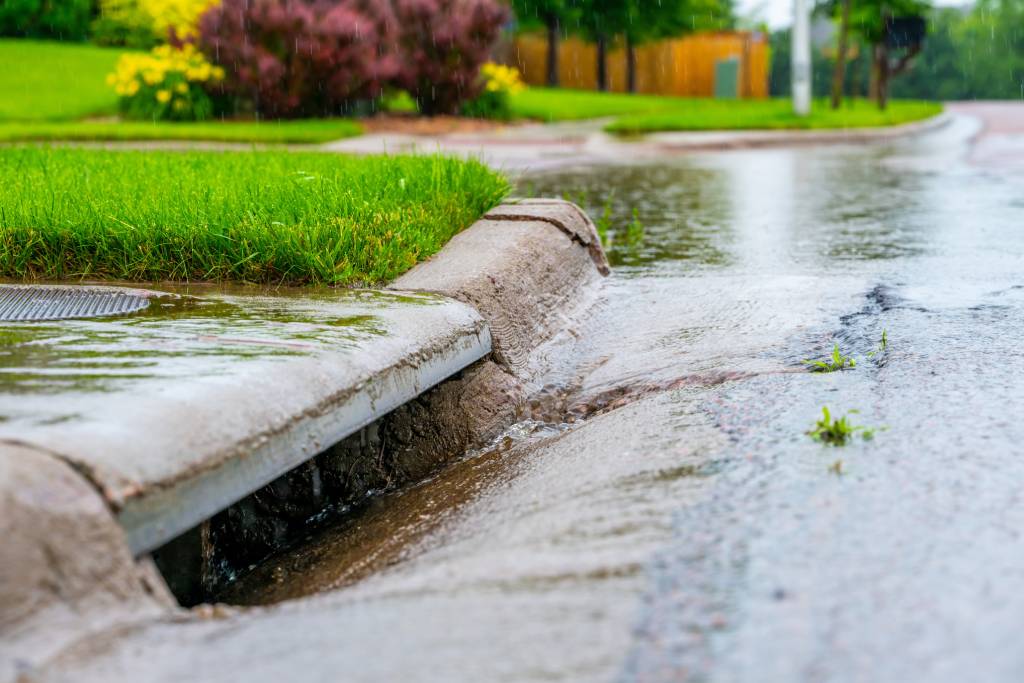
Stormwater management systems work by controlling what happens to rainwater and melted snow after it reaches the ground. Rather than allowing runoff to flow freely across developed surfaces, these systems collect and direct water to areas where it can be safely stored, treated, absorbed, or released.
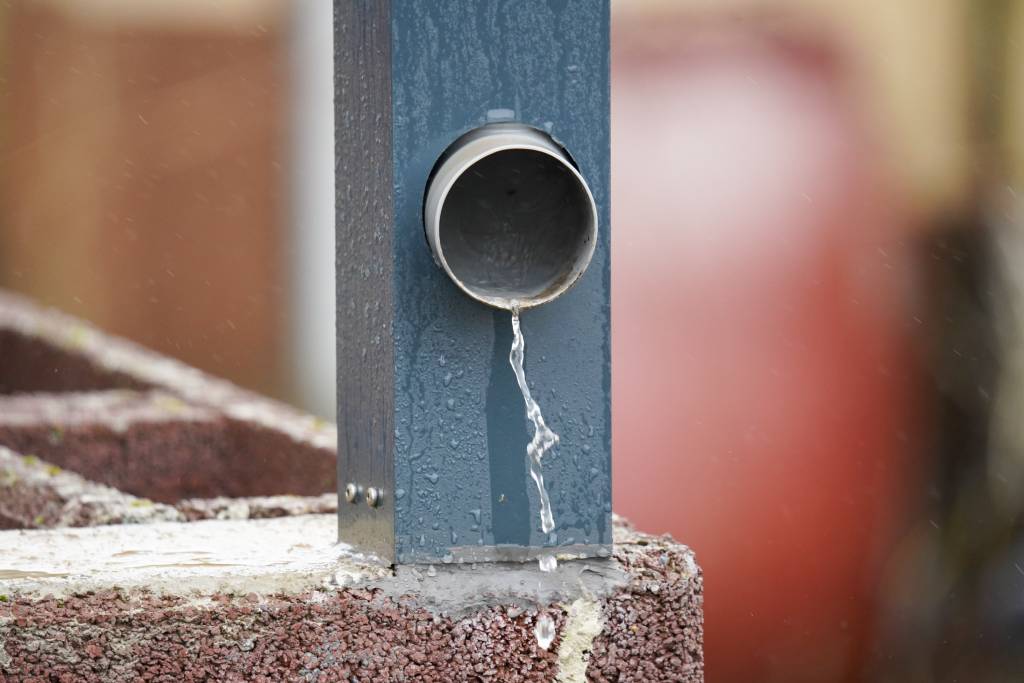
The process often starts with capturing runoff from rooftops, roads, parking lots, and other impervious surfaces. From there, drains, pipes, channels, and other infrastructure can move the water to detention basins, retention ponds, underground storage systems, or treatment areas. These features help slow the flow of water, reduce flooding, and, in some cases, remove pollutants before the water reaches nearby waterways.
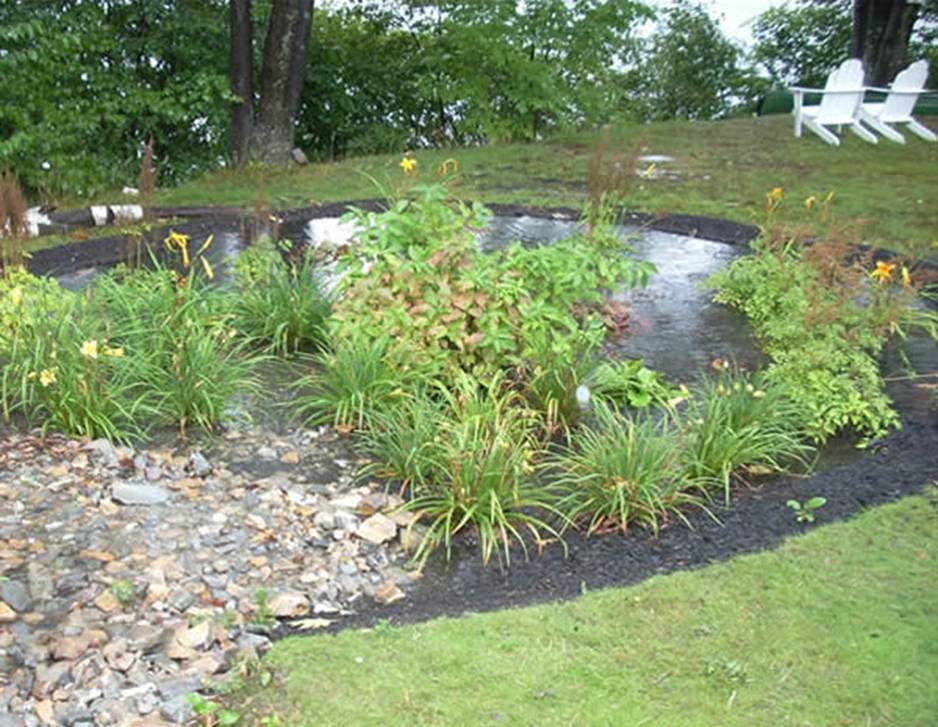
Different stormwater management solutions can also help water soak back into the ground closer to where it falls. Permeable pavement, rain gardens, bioswales, and other green infrastructure can reduce runoff while supporting a more natural approach to managing stormwater.
Common Stormwater Management Solutions
There’s no one-size-fits-all solution for managing stormwater runoff. The right approach depends on factors such as the size of the property, amount of runoff, soil conditions, surrounding infrastructure, and local requirements. In many cases, several solutions can work together to manage water effectively.
Traditional options include storm drains, detention and retention basins, underground storage systems, and drainage channels. These solutions help collect, store, and control runoff before releasing it at a manageable rate. Other stormwater best management practices focus on working with natural processes to reduce runoff and improve water quality.
For example, permeable pavement allows water to filter through the surface and into the ground, while rain gardens and bioswales use soil and vegetation to capture and filter runoff. Green roofs, infiltration systems, and constructed wetlands can also play a role. Ultimately, choosing the right solutions helps create a system that manages storm water efficiently while addressing the specific needs of a site.
Building an Effective Stormwater Management Strategy
An effective stormwater management strategy starts with understanding the unique needs of your property. Factors such as rainfall, soil conditions, drainage patterns, impervious surfaces, and local regulations can all influence how runoff should be collected, stored, and managed. From there, you can determine which combination of solutions makes the most sense for your site.
A strong strategy should also consider long-term performance. Choosing appropriately sized systems, planning for regular maintenance, and incorporating methods to capture or reuse rainwater can help reduce runoff while making better use of a valuable natural resource.
For property owners looking to incorporate rainwater collection into their approach, Texas Metal Tanks offers durable rainwater tanks designed for reliable water storage. Adding a rainwater tank can help capture runoff from rooftops, provide water for future use, and complement a broader stormwater management strategy.