
Rain Gardens: A Natural Solution for Rainwater Management
Looking to add a cool feature to your landscape that makes your lawn stand out and benefits wildlife and the environment? Why not add a rain garden? Think of a rain garden as a pond that does a terrible job of holding water, but it is a great place to grow colorful native plants and grasses. The pond functions by collecting rainwater channeled from roofs, patios, driveways – and often the overflow of a Texas Metal Tank rainwater cistern. It then lets water slowly drain into the soil.
In more technical terms, a rain garden is a shallow depression in the ground designed to capture and slowly absorb rainwater from impervious surfaces such as rooftops, sidewalks, driveways, roads, or anything that is paved over. Native plants and grasses in the bottom and along the sides tolerate both wet and dry conditions. The rain garden can hold water for up to three days preventing mosquito infestations. Depending on the depth of your rain garden, you might have different zones to accommodate the water tolerance for various plants. You wouldn’t plant cacti in the bottom!
The Purpose of a Rain Garden
The rain garden purpose goes far beyond looking good in your yard. These gardens serve as a natural stormwater management system that protects waterways, recharges groundwater, and reduces flooding.
Environmental Benefits
- Natural filtration. A rain garden acts like a sponge, absorbing pollutants like oil, grease, and pesticides that would otherwise flow into the street, drain into a storm sewer, and end up in local creeks and eventually the Gulf of Mexico.
- Erosion control. Rain gardens control the amount of runoff that reaches local waterways. Sedimentation is the number one pollutant in our waters, and capturing runoff on your property helps reduce it.
- Aquifer recharge. Rain gardens allow water to percolate into underground aquifers. In Texas, nearly 60% of the water supply relies on aquifers for drinking water, agriculture, irrigation, and industrial needs.
- Flood reduction. Central Texas is seeing more frequent and heavier rain events. Rain gardens help offset the increase in impermeable surfaces that contribute to localized flooding.
Benefits for Homeowners
- Keep your water on your property. Why let rainwater run off and take your soil with it? A rain garden functions as a garden rain collector that captures what falls on your property and puts it to work.
- Support pollinators and birds. Native plants bloom from March through December, providing nectar for butterflies, native bees, moths, and hummingbirds almost year-round. Native grasses offer nesting material for birds, and many plants produce seeds eaten by finches, chickadees, doves, titmice, and nuthatches.
- Less maintenance than a lawn. No mowing or fertilizing necessary. Once established, a rain garden largely takes care of itself.
Pairing a Rain Garden With a Rainwater Harvesting Tank
As rain gardens grow in popularity, more customers are integrating a rainwater harvesting tank into their garden layout. The setup is straightforward: collect rainwater from your roof into a tank, which acts as a rain catcher for garden and household use, then route the tank’s overflow into the rain garden.
This combination gives you the best of both worlds. The tank stores water for irrigation and other uses during dry periods, while the rain garden handles the overflow and manages excess stormwater naturally. During drought, stored rainwater can supplement your garden as well as other plants in your yard.
For more information, Grow Green and the City of Austin have a great brochure explaining installation and a recommended plant list. Download here.

A Rain Garden in Austin, TX
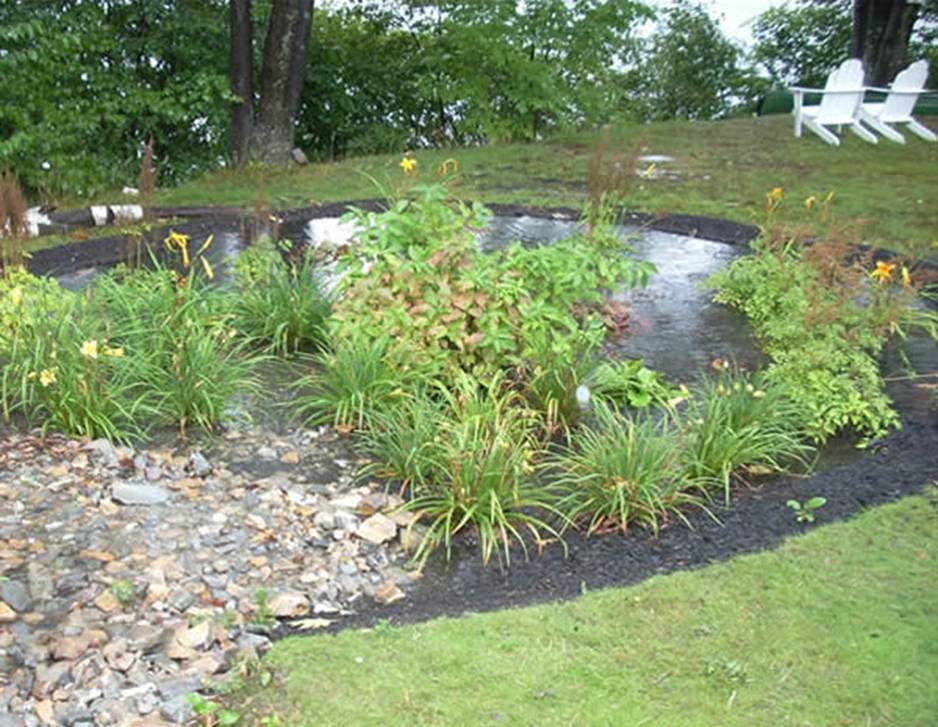
Photo Credit MA Watershed Coalition and EPA
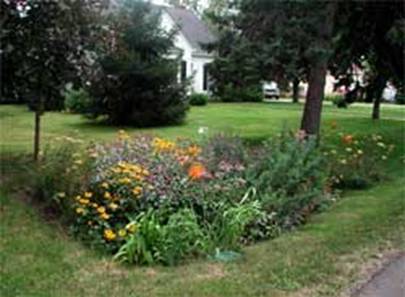
Iowa NRCS Urban Conservation Photo Gallery
Native Rain Garden Plants
- Texas columbine (Aquilegia hinckleyana)
- Blue Texas star (Amsonia illustria)
- Longspur columbine (Aquilegia longissima)
- Blue mistflower (Eupatorium coelestinum)
- Turk’s cap (M. aboreus var. Drummondii)
- Blue-eyed grass (Sisyrinchium angustifolium)
- Cross vine (Bignonia capreolata)
For more plant options, see Texas A&M AgriLife Extension’s list of plants suited for rain gardens or search the Lady Bird Johnson Wildflower Center native plant database.